The WWF is run at a local level by the following offices...
- WWF Global
- Adria
- Argentina
- Armenia
- AsiaPacific
- Australia
- Austria
- Azerbaijan
- Belgium
- Bhutan
- Bolivia
- Borneo
- Brazil
- Bulgaria
- Cambodia
- Cameroon
- Canada
- Caucasus
- Central African Republic
- Central America
- Central Asia
- Chile
- China
- Colombia
- Croatia
- Democratic Republic of the Congo
- Denmark
- Ecuador
- European Policy Office
- Finland
Project Introduction
Building on our commitment to innovative conservation, WWF-Hong Kong—with the support of the Lee Hysan Foundation—is proud to launch the three-year “Growing Mai Po” (GMP) Project (2024–2027). This initiative focuses on revitalising the traditional rice paddy habitat at Mai Po Nature Reserve—a local intangible cultural heritage that has largely disappeared from the landscape. By combining Traditional Ecological Knowledge (TEK) with modern innovation and technology, we are re-establishing rice cultivation to create a "living laboratory" for sustainable agriculture and wetland protection.
Why This Project Matters
Wetlands and agricultural lands face increasing pressure from climate change and urbanization. The decline in traditional rice farming has led to a loss of specific habitats that many migratory birds rely on for "refuelling" during their long journeys. The aims of the project include:
- Restoring Rare Habitats: Reintroducing rice paddies provides a critical food source and shelter for granivorous birds.
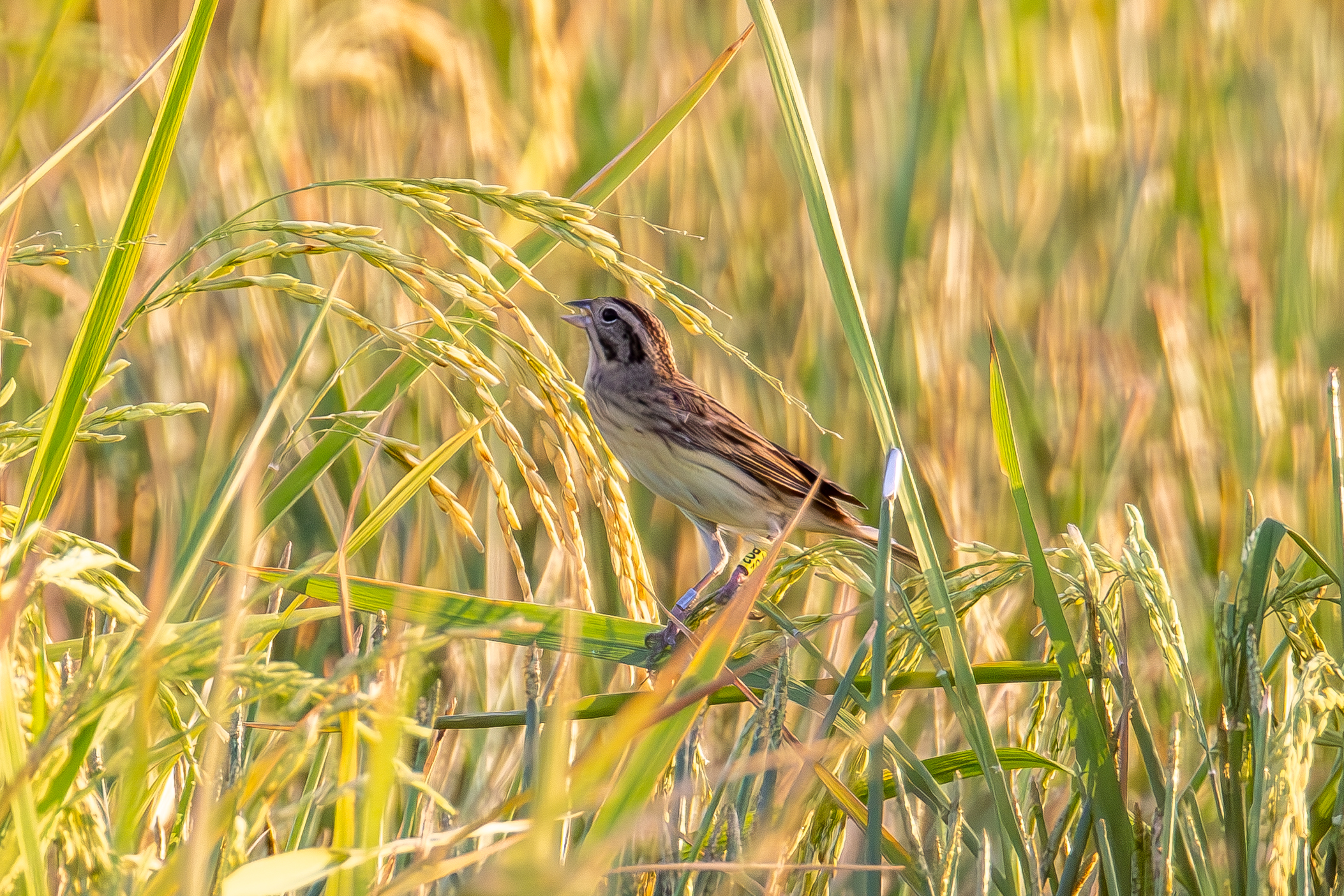
- Protecting Global Biodiversity: The project specifically aims to support globally endangered species, most notably the Yellow-breasted Bunting, which depends on these habitats for survival.
- Preserving Heritage: Rice farming is part of Hong Kong’s cultural identity; revitalising it at Mai Po ensures these traditional skills and stories are passed to future generations.
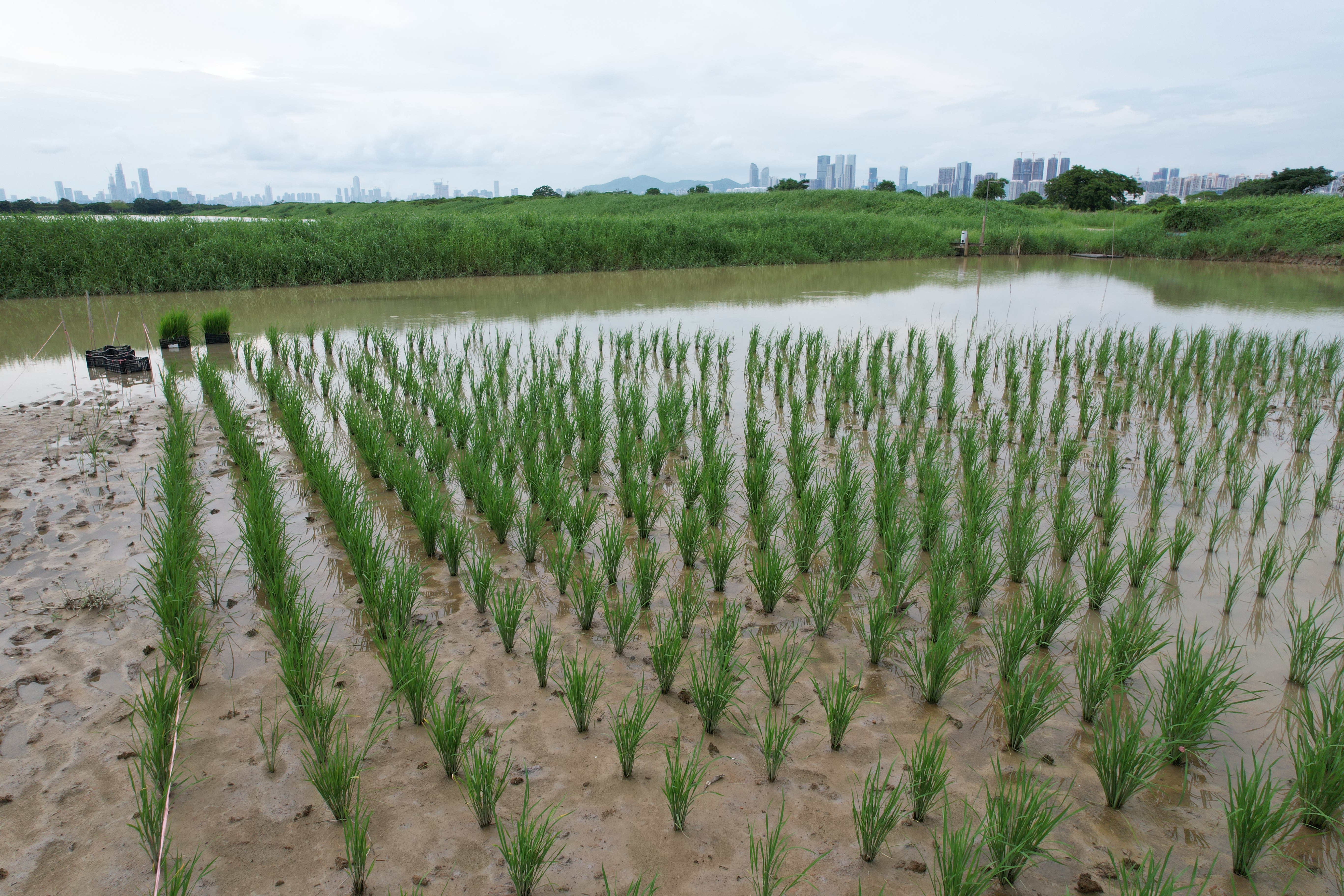
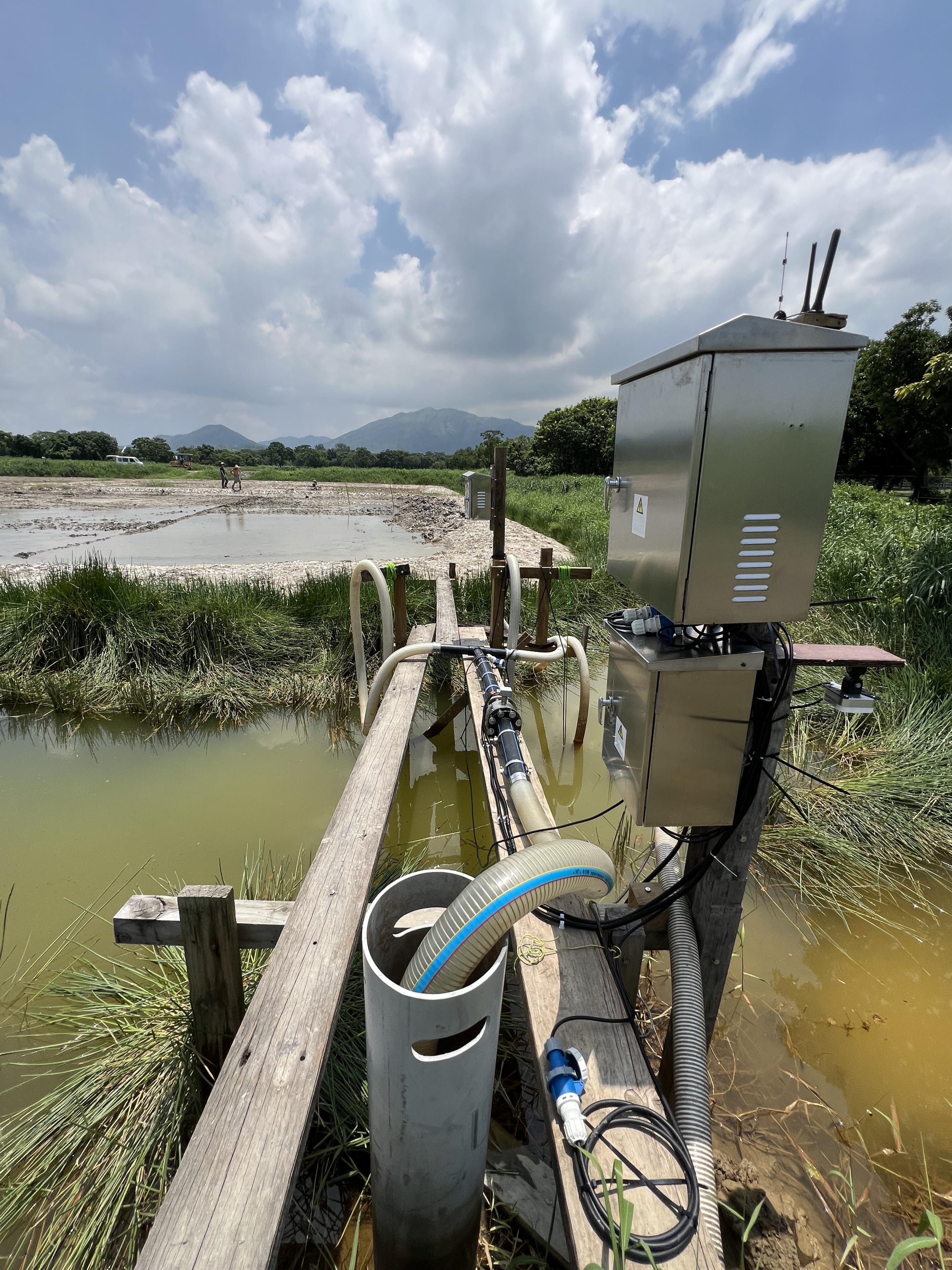
The technological trials and IoT solutions recently introduced at Mai Po have laid a robust foundation for the “Growing Mai Po” (GMP) project. Within this project, we leverage these proven smart solutions to manage the delicate hydrological balance required for rice cultivation to support field growth:
 |
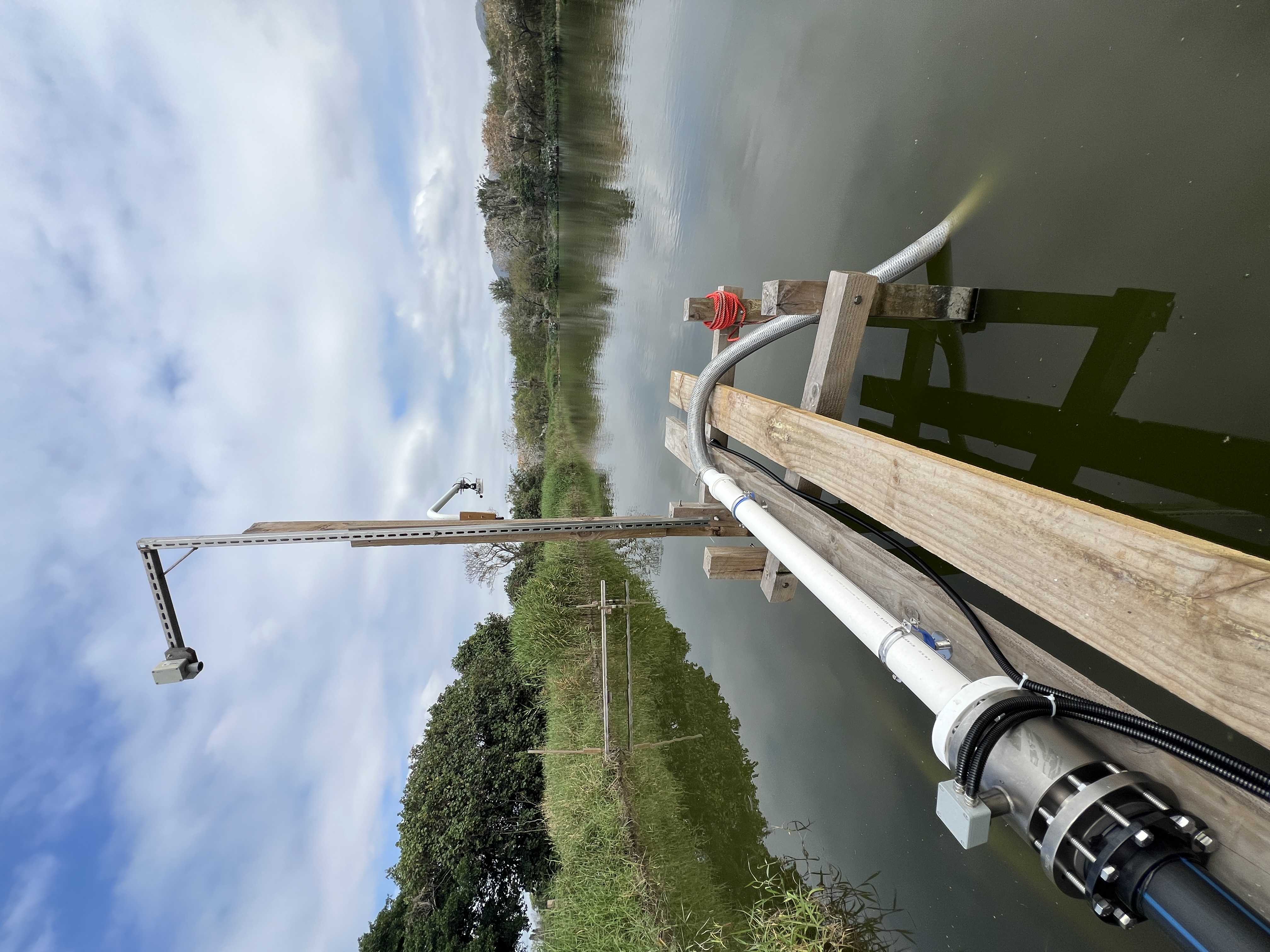 |
- Smart Water Pump & Monitoring Sensors: We have upgraded from manual operations to an automated system that monitors water levels and quality in real-time.
- Precision for Local Varieties: These systems ensure that traditional varieties—such as Mei Yeung Jim, Fa Yiu Tsai, and the salt-tolerant Ham Moon—receive the exact water conditions they need.
As climate instability becomes the "new normal," relying on historical farming calendars is no longer sufficient. Sudden weather shifts can drastically alter water salinity and depth, potentially devastating a season's harvest.
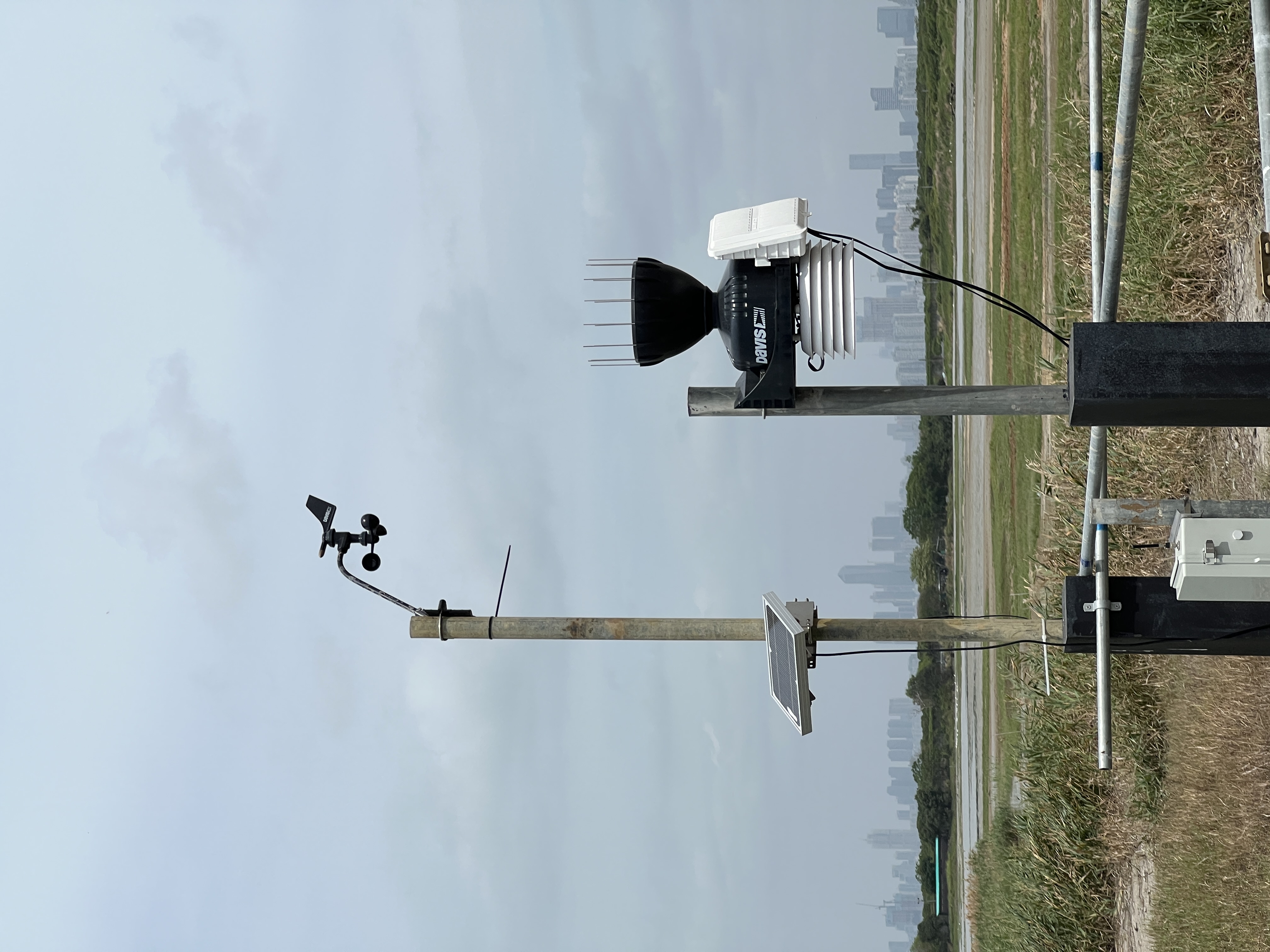
- Climate-Adaptive Infrastructure: We have established an IoT-based weather station utilizing the "Government-Wide IoT Network" (GWIN) to monitor environmental threats in real-time.
- Data-Driven Resilience: Integrating local weather intelligence allows us to adjust water regimes before extreme events occur, protecting the crops and the ecosystem.
Outcomes & Community Engagement
Since the project's inception, we have recorded 67 bird species in the paddy area, including the Greater painted snipe, with medium threat of local extinction, and the endangered Yellow-breasted Bunting.
Through collaboration with local farmers, academic advisors, and research institutes, "Growing Mai Po" is a deeply collaborative community effort. We invite the public to join our harvesting experiences and educational tours to see first-hand how technology and heritage can grow together.