The WWF is run at a local level by the following offices...
- WWF Global
- Adria
- Argentina
- Armenia
- AsiaPacific
- Australia
- Austria
- Azerbaijan
- Belgium
- Bhutan
- Bolivia
- Borneo
- Brazil
- Bulgaria
- Cambodia
- Cameroon
- Canada
- Caucasus
- Central African Republic
- Central America
- Central Asia
- Chile
- China
- Colombia
- Croatia
- Democratic Republic of the Congo
- Denmark
- Ecuador
- European Policy Office
- Finland
Project Introduction
Mai Po Nature Reserve is one of Hong Kong’s most important ecological treasures and a critical stopover for migratory birds along the East Asian–Australasian Flyway. For decades, it has served as a sanctuary for wildlife and a hub for environmental education. Today, as climate change and habitat loss accelerate, the need for innovative conservation strategies has never been greater.
WWF-Hong Kong is launching a Three-Year Conservation Initiative to combine smart monitoring and management technologies with professional training in Nature-based Solutions (NbS) - actions that protect, restore, and sustainably manage ecosystems to address challenges such as biodiversity loss, ecosystem degradation, human health, and disaster risk reduction. This dual approach will enhance wetland habitat management, optimise water regimes, conserve biodiversity, and empower key stakeholders across sectors to build capacity and drive long-term collaborative conservation outcomes.
Why This Project Matters
Wetlands are among the most productive ecosystems on Earth, providing essential services such as water purification, carbon storage, and flood control. They also support countless species, including migratory birds that depend on these habitats for survival. However, wetlands face mounting threats from urban development, pollution, and climate-related impacts such as rising sea levels and extreme weather events.
Mai Po’s strategic location and ecological significance make it a priority for conservation. Beyond a biodiversity sanctuary, the Reserve serves as vital natural infrastructure delivering critical ecosystem services—such as flood mitigation and enhancing climate resilience —to the communities of the Northern Metropolis and the Shenzhen Bay area. This project aims to safeguard its biodiversity while demonstrating how technology and nature-based solutions can work together to address global environmental challenges. By integrating cutting-edge tools with community engagement, we are setting a new standard for effective wetland management.
I. Smart Monitoring and Management Technologies
This component focuses on introducing advanced technologies that build upon the traditional wisdom of gei wai management practices that have sustained Mai Po for generations. By fusing decades of ecological expertise with cutting-edge innovation, we are enhancing wetland habitat management and biodiversity conservation. These advancements do not replace traditional knowledge; rather, they empower it – enabling real-time monitoring, data-driven decision-making, and rapid responses to environmental changes.
The Evolution of Smart Management
Since the 1980s, Mai Po has utilised traditional gei wai management techniques to maintain healthy wetland ecosystems. However, rising extreme weather events and labour-intensive manual work have necessitated a smarter approach.
2020: The Pilot Phase – Inspired by smart tech used in nature conservation initiatives in mainland China, in 2020, we installed an electric sluice gate with support from the Agriculture, Fisheries and Conservation Department.
2022-2024: The Foundation – through the “Smart Wetland – Where Traditional Management Meets Innovation & Technology” project, supported by the Countryside Conservation Funding Scheme under the Countryside Conservation Office, we have developed an advanced IoT network. This network incorporates environmental sensors and long-range gateways to monitor water levels and quality, successfully integrating traditional knowledge with real-time data.
Present: The Scale-Up (SWMP) – With the support of the Hong Kong Jockey Club, we are now scaling up these proven solutions reserve-wide. Our work led to the introduction of Hong Kong’s first smart sluice gate in 2024, which blends traditional gei wai knowledge with new tech. This gate integrates real-time environmental data—such as water levels and flow—with online weather data from the Hong Kong Observatory, including rainfall forecasts and predicted extreme weather. These inputs inform automated operations to optimize water management and scale up smart water distribution systems across the Reserve, creating a pioneering model for wetland conservation.
Key Technical Pillars
- Smart Hydrology & Precision Management: We are scaling up the smart sluice gate system and smart water distribution systems that integrate real-time environmental data with online weather forecasts to ensure precise water control.
- AI-Enabled Biodiversity Monitoring: A smart camera network, connected through an off-grid wireless network solution, allows for instant species identification via an online AI analytic platform.
- Next-Gen Species Tracking: We utilize GPS bird tracking to monitor locomotion or migratory patterns to better understand the movement ecology of our target species along the flyway, identify critical habitats, and inform cross‑boundary conservation strategies.
- Centralised Management System and Online Learning Portal: A dual digital platform for wetland managers and wetland explorers, enabling data‑driven site management, streamlined operations, and accessible learning resources that deepen public understanding of wetland conservation.
II. Professional Training and Community Engagement in NbS
 |
 |
 |
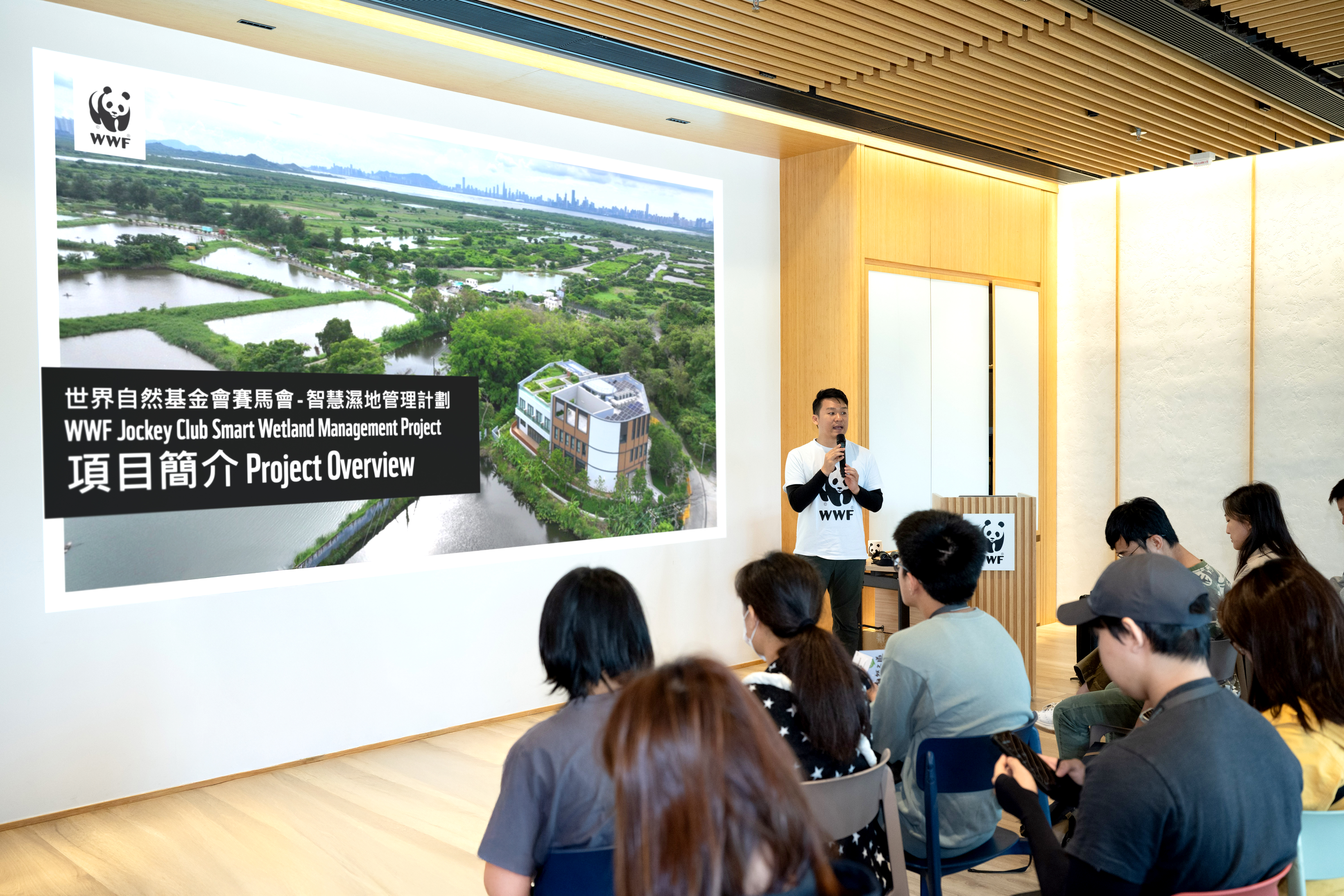 |
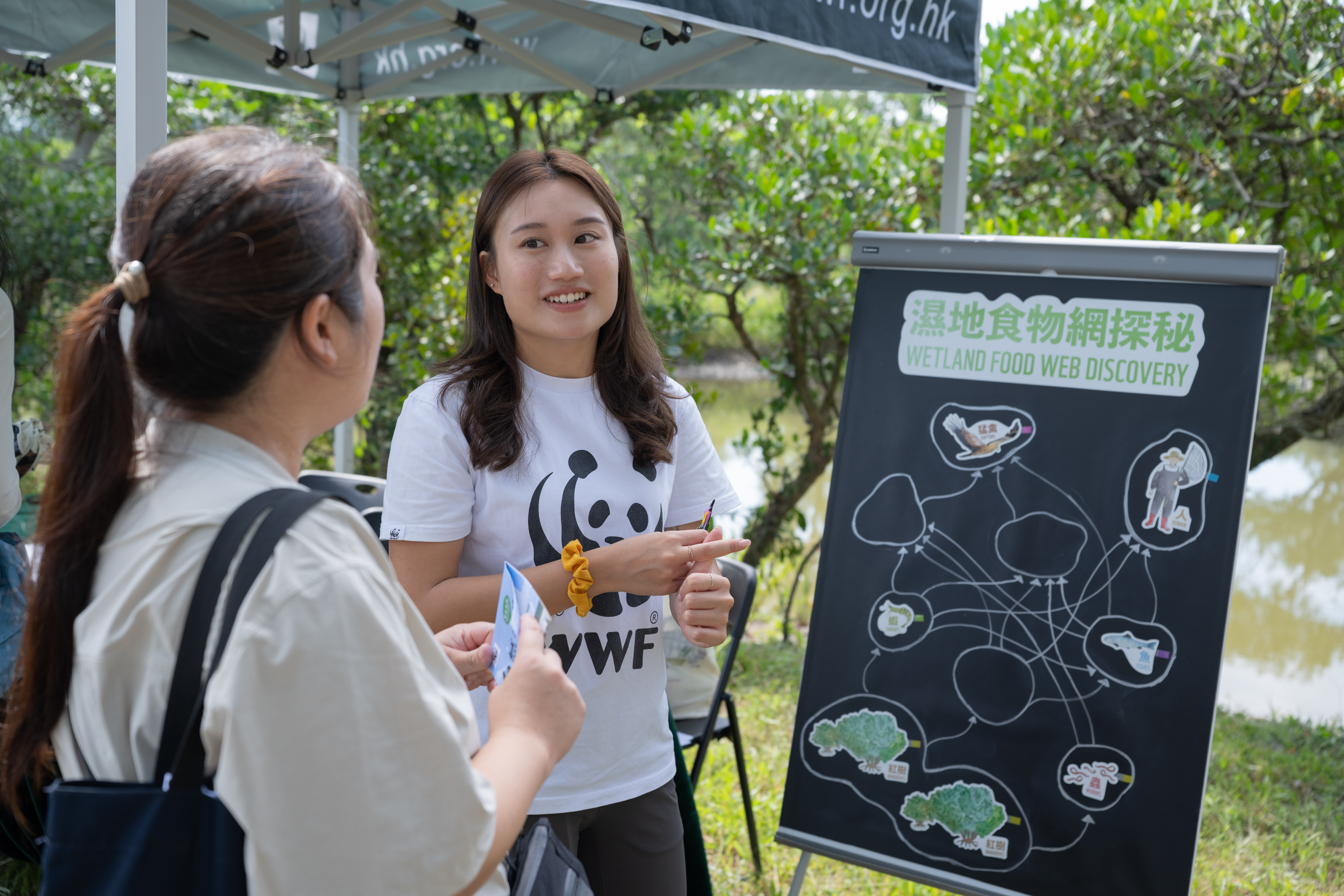
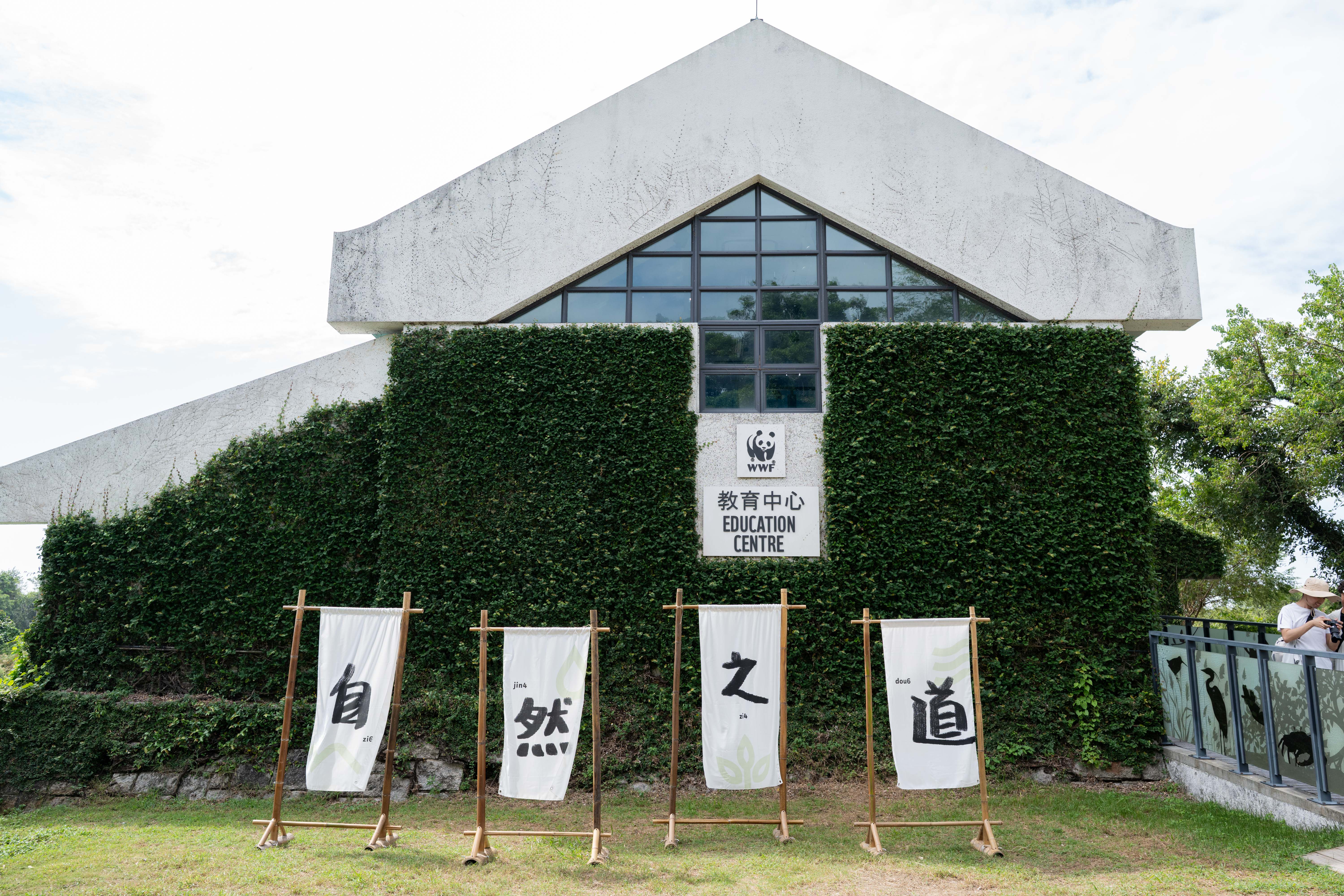
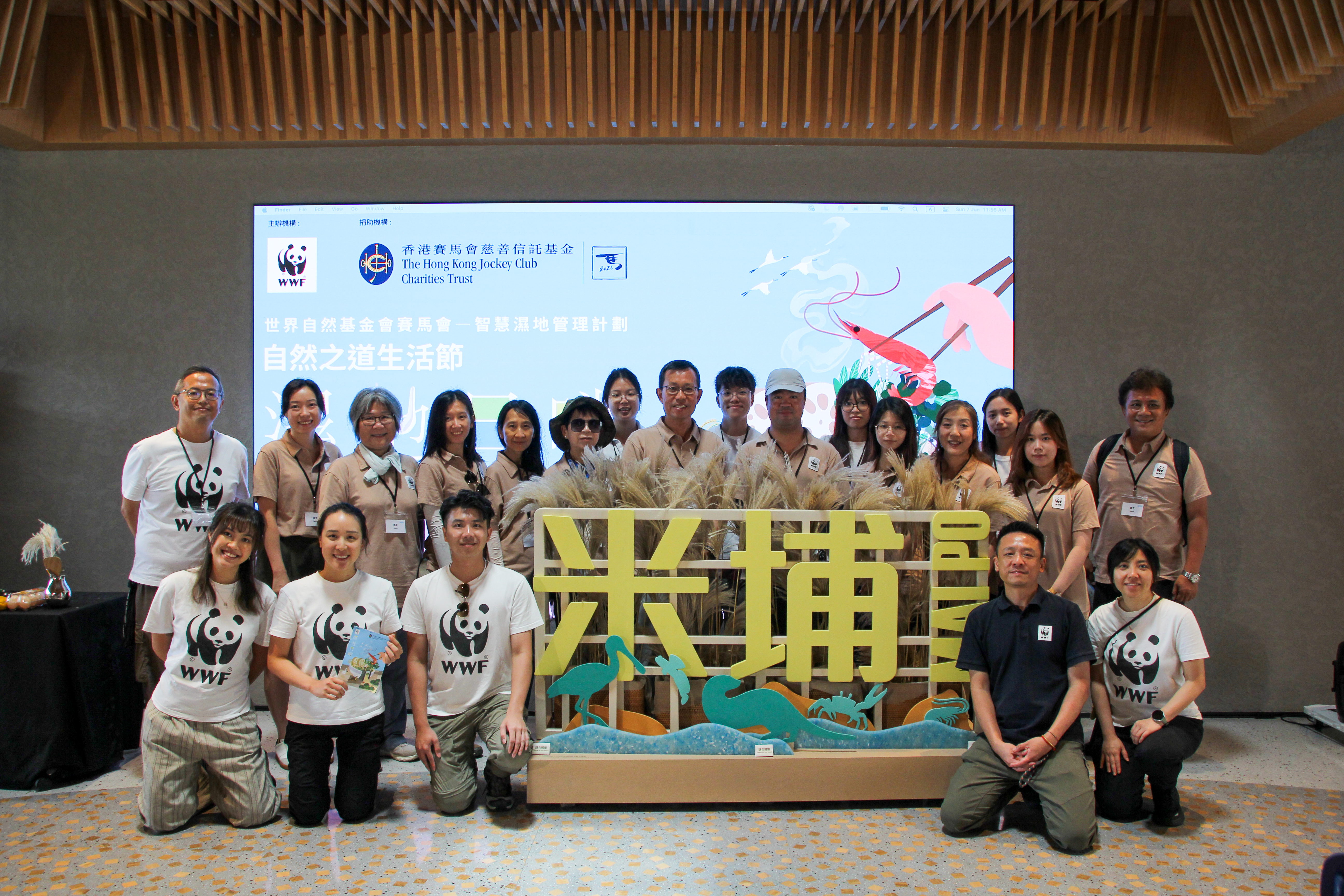
Another key component of the project focuses on capacity building and community engagement. By advancing NbS, we aim to conserve wetland species, strengthen community resilience, and foster cross-sector collaboration. To achieve these goals, we have established a dedicated infrastructure for knowledge exchange and hands-on learning:
- The NbS Learning Hub: The WWF Jockey Club Nature-based Solutions Learning Hub at Mai Po will unite educators, professionals, and NGOs to deliver impactful training and knowledge sharing.
- Diverse Educational Programmes: Designed for audiences ranging from the general public and schools to youth and professionals, these programmes use flexible approaches and formats.
- Immersive Learning: We offer half-day or one-day interactive sessions, field trips, and multi-day residential programmes at the WWF Jockey Club Mai Po Scott Visitor Centre to ensure an immersive and effective learning experience.
Expected Outcomes: Mai Po as a Regional Model
By combining smart technologies with NbS, this project positions Mai Po as a regional model for innovative wetland conservation. It demonstrates how science, technology, and community engagement can work together to address pressing environmental challenges.